
The one common page you see on every website is the blog. Doesn’t matter how much the digital platform has transformed, blogging remains an essential part of the marketing strategy.
It builds authority, increases traffic, and improves ranking. But there are some common blogging mistakes new content writers make while writing blogs, and your content might have to pay the price for it.
This might be the reason why 80% of new bloggers fail within the first year. Fortunately, in this blog post, I have compiled a list of common blogging mistakes that content writers should avoid while drafting, publishing, editing, and optimizing blog posts.
Table of Contents
1. Choosing the Wrong Niche
If you are planning to write your first blog, step back and review the niche you are planning to write for. Many content writers choose a niche that is too broad or one that they aren’t really interested in. This makes it hard for a content writer to keep up a blog for long or to stay motivated to write in that niche every day.
Choosing a niche like IT, Finance, or AI is too broad, and you can’t always target a specific audience. Choose a niche that keeps you curious, interested, and specific. For example, instead of choosing Finance, you can choose accounting software hosting.
2. No Competitor analysis
If you don’t know what other content writers and bloggers are doing in your niche, you are missing out on a big opportunity. Analyzing successful blog pages, content writers, and bloggers gives you an idea of what is working, what’s not, and where the content gap is.
You can use tools like Ubersuggest, Ahrefs, and Semrush to analyze your competitors in the blog. You can also just go through their blog and review the topics they cover, their writing style, the publication date and time, the conclusion, the CTA, and more.
3. No Research and Data
What do most content writers do when they get a topic to write about? They type the title into Google, open 10 tabs, and then write a blog post pulling information from every blog tab they open. Well, there is nothing wrong with it, but you need to put in some effort to stand out from the crowd.
You should always thoroughly research your topic, understand it first, and then start writing it from what you have learned. Also, never miss the chance to include important data and facts in your blog, as it makes your content look authoritative, genuine, and data-backed.
4. Not Working on the Title
The title is the most important part of a blog, as it is the first thing readers see when they read or skim your blog. A “just ok title” approach will take you nowhere in the blogging market. You need to work on your title and make it look enticing, descriptive, and inviting.

Come up with at least 3-4 title options for your blog. Then pick the one that lets the reader understand what’s inside the blog without having to read the title twice. Also, keep the title length to 60 characters, straight to the point, and easy to read.
5. Undermining the Intro
I usually spend a lot of time on the intro, choose every word carefully, pay attention to the flow, and try to keep it simple yet engaging. Why do I do that? Because if the intro isn’t interesting, informative, and descriptive enough, no one will read further, regardless of how good your blog is.
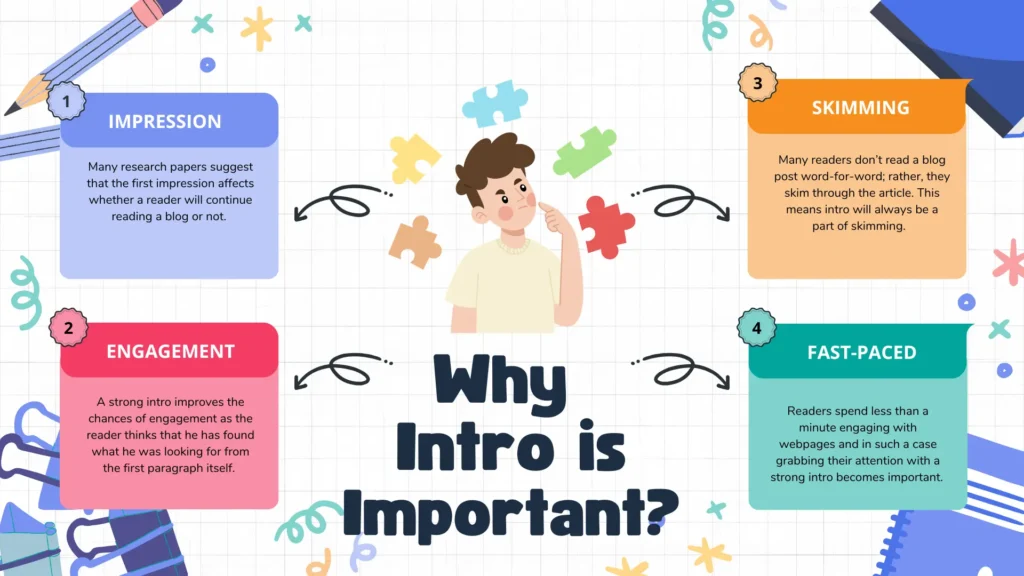
The main aim of a content writer should be to make the reader fall in love with the blog just by reading the intro. You can do many things with an intro- set the tone, let the reader know what the blog has to offer, and make them believe the blog is worth their time.
6. Skipping Proofreading
Proofreading is like giving the final check for holes and irregularities in a clay pot crafted by a porter, ensuring the final product is perfect. Without proofreading, your blog post would turn into a “case study of mistakes” rather than ranking for the original keyword.
Simply use modern AI tools like “Grammarly” to proofread your blog post. It’s easy, simple, and time-saving. But make sure to consider Grammarly’s suggestions before implementing them blindly, and give your blog a final read before hitting the publish button.
7. No Publishing Schedule
You need to be consistent with your publishing schedule. Growing in the content industry requires a lot of content publishing. One blog a week is not going to take you anywhere. Make a content calendar and try to publish daily, or at least once every 3 days.
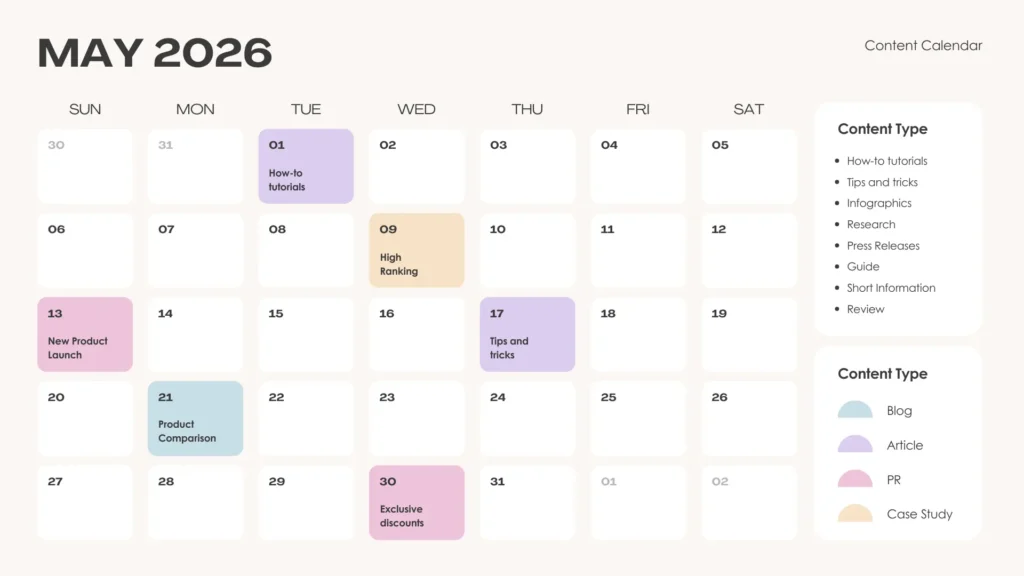
Inconsistent publishing affects your ranking and makes readers doubt your seriousness about writing. But don’t build a too rigid content calendar that later becomes a burden.
8. Covering trending news only
It’s always advised to follow the trend while writing content, but such type of content can quickly become irrelevant and outdated. This is why you should never build your entire content calendar around trendy topics only.
Always give evergreen content a bigger chunk of your content calendar. Such type of content never becomes outdated in the near future, and the search volume never drops. Topics like “What is SEO?” are evergreen, always relevant, and frequently searched for.
9. Publishing text-heavy content
Writing blog posts filled with only words can mentally suffocate the reader, and this is a common blogging mistake. Blog posts without images or breaks feel overwhelming, and readers soon give up. There are two ways to give a break to the mind and eyes in your blog post.
First, you should include images in the middle of your blog post. Second, you should have white spaces in your paragraphs. This can be done by increasing the paragraph space. The white spaces give the eyes and mind a break, and the blog post looks neat and organized.
10. Never updating old posts
It doesn’t matter how much effort you poured into your last year’s blog post; over time, many parts of it become irrelevant and outdated. And if Google crawls your old blog post and finds it outdated, it can negatively affect your ranking and traffic.
Make it a habit to check your old blog posts once a month. Look for those sections that don’t make sense now or have become outdated and edit them. Updated blog posts, even 4-5 years old, can generate huge traffic and help in ranking.
Conclusion
If done right, blogging can prove to be a career-changing journey for any content writer. Even if you are working for a company or freelancing, blogging mistakes are common in almost every industry.
The worst part is that most of these mistakes are overlooked or undermined, and then complaints like a blog post not performing or a high bounce rate come into the picture. But the good news is that almost all of these mistakes can be easily avoided and rectified.
FAQs
What is the biggest mistake bloggers make?
One of the biggest mistakes bloggers make is expecting quick results, getting disappointed, and then quitting way too early. Blogging demands time, dedication, and patience. If you have these, you can surely become a successful blogger.
How often should beginners publish blog posts?
Beginners should always prefer quality over quantity. Publishing 3 high-quality blogs in a week is much better than publishing 2 low-quality blogs every day. Analyze your capacity and check how many blogs you can write in a week without compromising on the quality.
Why do new bloggers quit early?
New bloggers expect overnight traffic and rankings, and when they don’t get them, they quit. New bloggers should understand that building a blogging platform requires consistency, effort, and patience. Stay consistent for at least 1 year, and you will start to see results.
Which tools do beginner bloggers use?
New bloggers should use at least Grammarly, Google Trends, and Google Keyword Planner. Grammarly will help with proofreading, while Google Trends and Google Keyword Planner will help with topic selection and keyword research.